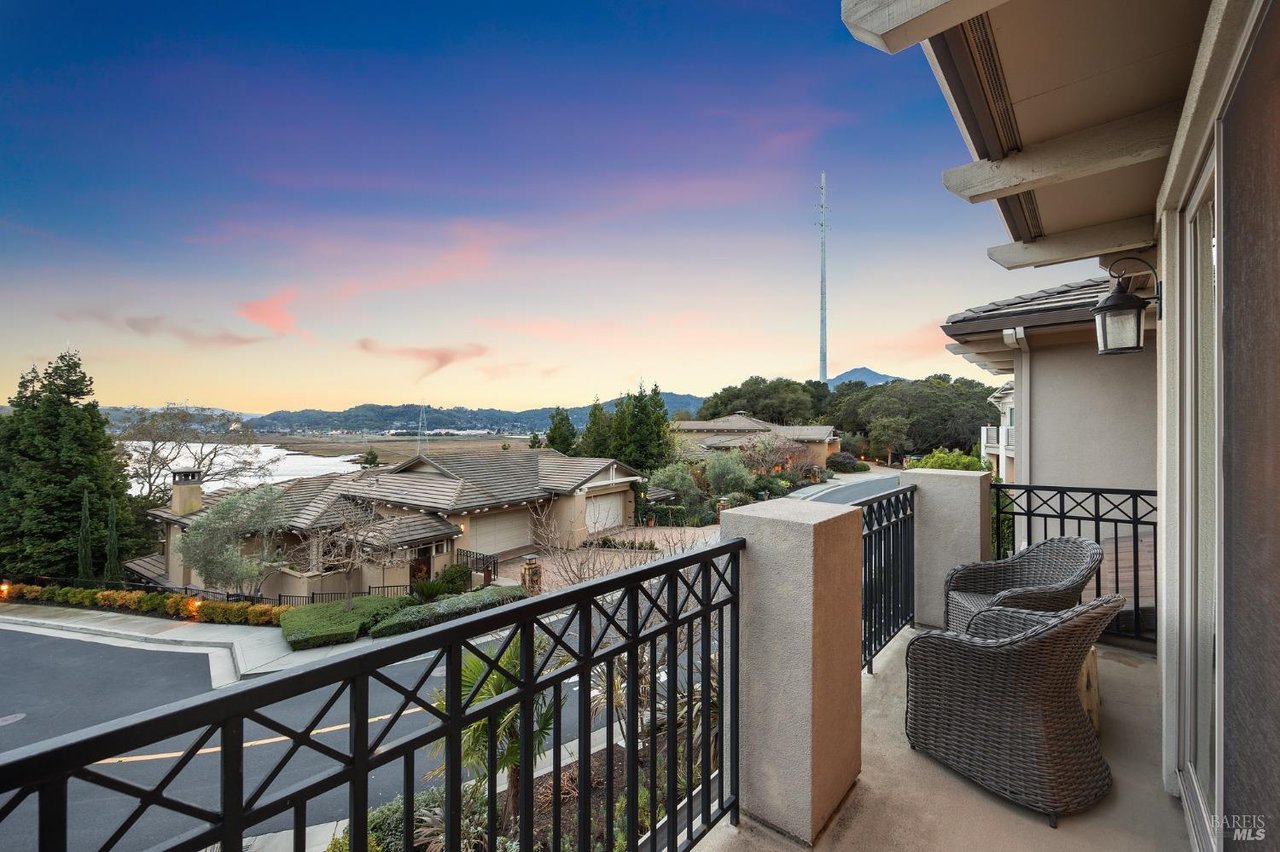
The Market Is Hot, But How Long Will It Last?
May 2, 2026
May 2, 2026
If you have been watching the Bay Area real estate market lately, you have probably felt it. Homes are moving quickly, competition is strong, and inventory is tight. Whether you are thinking about buying or selling, the same question keeps coming up: how long will this last?
Right now, momentum is real. Demand is outpacing supply, and many homes are attracting strong interest. But markets shift, and this cycle may move faster than others.
The current market is being shaped by a mix of economic energy and limited housing supply.
The growth of AI and tech companies across the Bay Area has brought renewed hiring and investment. With more high-income buyers entering the market, demand has picked up quickly. At the same time, many homeowners are still holding onto low interest rates from previous years, which has kept new listings limited.
This imbalance between supply and demand is what is driving today’s competitive conditions.
Across many Bay Area communities, including Marin neighborhoods like Mill Valley, San Rafael, and Tiburon, similar patterns are showing up.
Here is a simple snapshot of current conditions:
| Property Type | Demand | Inventory | Trend |
|---|---|---|---|
| Single-Family Homes | High | Low | Competitive |
| Condos | Moderate | Low to Moderate | Improving |
| Multi-Unit | Moderate | Limited | Stable |
Market conditions can vary by neighborhood and price point, but the overall direction has been consistent.
There is a key factor worth paying attention to.
The same AI technologies driving hiring and demand today are also designed to improve efficiency over time. As companies grow, they may not need to hire at the same pace. In some cases, hiring could slow or level off.
That shift would likely affect housing demand.
This does not mean the market will suddenly drop. But it does suggest that the current pace may not hold indefinitely. For sellers, that makes timing an important consideration.
If you are thinking about selling, today’s conditions may work in your favor.
Sellers who are prepared and realistic about the market often see stronger results.

Buying in a competitive market can feel challenging, but it is manageable with the right approach.
Flexibility can also help. Buyers who consider different neighborhoods or property types may find more opportunities.
Real estate decisions are rarely just about timing the market. They are about your goals, your timeline, and your financial comfort.
The Bay Area real estate market is active right now, but it is also evolving. Working with a local team who understands these shifts can help you make informed decisions and avoid unnecessary stress.
If you are considering buying or selling in Marin, whether in Sausalito, Mill Valley, Tiburon, or San Rafael, it helps to have guidance that is grounded in current conditions.
The Bay Area real estate market is clearly active, driven by strong demand and limited supply. For sellers, this may be a valuable window. For buyers, preparation is key.
But markets change. The forces driving today’s momentum may not last forever.
If you are thinking about making a move, now is a good time to have a conversation, understand your options, and plan your next step with clarity.
Is the Bay Area real estate market still competitive?
Yes, many areas are still seeing strong demand and limited inventory, which can lead to competitive conditions.
What is driving the current market?
Growth in tech and AI, along with limited housing supply, is a major factor behind increased demand.
Should I sell now or wait?
That depends on your goals, but current conditions may offer strong opportunities for sellers.
How can buyers compete right now?
Preparation is key. Pre-approval, clear priorities, and quick decision-making can make a difference.
Are all areas performing the same?
No, conditions vary by neighborhood and property type. Local insight is important when making decisions.
https://maps.app.goo.gl/G9pfFU492YDYQFDHA
Created On 5/2/26
Stay up to date on the latest real estate trends.


You’ve got questions and we can’t wait to answer them.